
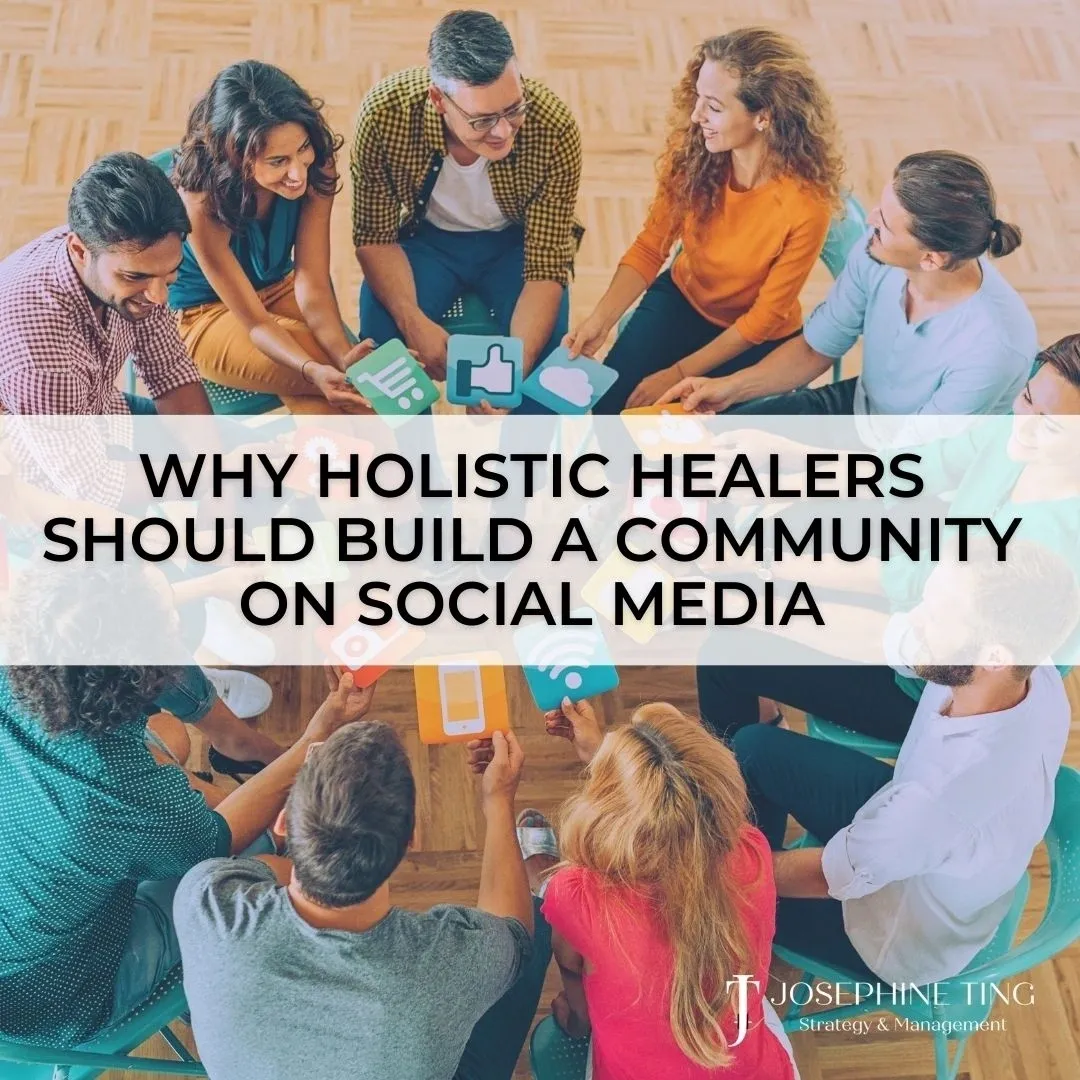
The Power of Social Media Community for Holistic Healers
Updated June 20, 2026
In today’s digital landscape, social media gives holistic healers a powerful way to build a real community, not just an audience. When you create a space where people feel seen, supported, and educated, you can strengthen patient loyalty, increase visibility, and create deeper trust around your practice.
- Fostering Patient Loyalty:
Online communities are built on trust, shared values, and repeated interaction. For holistic healers, social media creates a natural space to offer free value, answer questions, and stay connected with followers over time. That regular engagement often turns casual followers into long-term patients who feel emotionally connected to your work.
Research on online health communities shows that supportive interaction can help people feel more connected and informed, especially when they are navigating health concerns. A systematic review in Nature found online support groups may positively affect social wellbeing, behavior, and adjustment, although outcomes can vary depending on context and moderation. - Increasing Visibility:
The more people engage with your content, the more visible your brand becomes across social platforms. Social media algorithms reward content that sparks conversation, saves, shares, and repeat interaction, which makes community-building content especially valuable for holistic healers. - Showcasing Expertise:
A social media community can also help you demonstrate your expertise in a way that feels approachable. When you answer questions, share helpful frameworks, and explain your approach clearly, people can see how you think and how you support clients. That visibility builds authority without sounding overly promotional.
This matters because many health seekers want guidance from someone who feels knowledgeable and trustworthy. By consistently sharing useful content, you create a public record of your method, values, and style of care. That can make it easier for the right people to choose you.
- Facilitating Peer Support:
One of the biggest strengths of social media communities is peer-to-peer support. People often feel more comfortable opening up when they see others asking similar questions or sharing similar experiences. That sense of connection can reduce isolation and help followers feel understood.
Studies on online health communities show that people seek and exchange informational and emotional support in these spaces, and that peer support can be especially meaningful for health-related concerns. For holistic healers, this means your community can become more than a content channel — it can become a support ecosystem.
- Encouraging Collaborations:
Social media communities also open the door to collaboration. When your audience grows around a clear mission, it becomes easier to connect with other practitioners, wellness educators, and aligned professionals. These relationships can lead to guest lives, joint events, referral partnerships, and educational collaborations.
Collaborations can also strengthen your credibility because they show that your work fits within a larger professional conversation. For holistic healers, that can be especially valuable in a crowded digital space where trust is everything.
When used intentionally, social media community-building can support both patient care and business growth. It helps people find you, understand you, and feel connected to your message before they ever book a session. That makes it one of the most sustainable ways to grow a holistic practice over time.
The key is consistency. If you show up with useful content, meaningful engagement, and a clear voice, your community becomes an asset that strengthens your visibility, your reputation, and your patient relationships.
The power of social media community for holistic healers lies in connection. When you build a space rooted in trust, support, and education, you give people a reason to stay engaged and eventually become patients. That kind of community can deepen loyalty, expand your reach, and create a more vibrant practice.